The elevator pitch becomes a question of survival
Why clear positioning is becoming essential in the age of AI
In my startup podcast Upbeat, I have spoken with well over 200 Swiss founders as a journalist and host. The ones I almost always remember best had one skill in common: they could explain in a single sentence what they stand for.
In the past, a good elevator pitch was particularly valuable for interviews, investor meetings or a strong headline. Today, this ability has become more fundamental. It increasingly helps determine whether a company, an executive or an expert is visible at all in the digital information space. Because the way we find answers is changing fundamentally.
Google is increasingly integrating AI Overviews into search and, according to the company, reaches more than 2.5 billion people per month with them. ChatGPT searches the web and links to sources. Perplexity consistently refers to itself as an “answer engine”. Gartner already predicted in 2024 that the volume of traditional search engines could decline by around 25 percent by 2026 – in favour of AI chatbots and other virtual assistants.
An analysis by the Pew Research Center shows what this means for websites: when an AI Overview appears in a Google search, users click significantly less often on the underlying sources. The answer is consumed directly – the source moves into the background.
This changes the logic of digital visibility. It is no longer enough for a website to rank highly for a search term. What also matters is whether content is formulated so clearly, reliably and precisely that AI systems can understand it, classify it and, ideally, use it as a source.
No one can guarantee which source a language model will actually select for a specific query. Nevertheless, early patterns are emerging.
An early systematic GEO study by researchers including those from Princeton University and Georgia Tech examined 10,000 search queries to understand how content can be optimised for generative search systems. The result: source references, quotations and reliable statistics were able to significantly increase the measured visibility of content in generated answers – in individual constellations by up to 40 percent.
What is interesting is that many of these principles are not new at all. We know them from journalism. When I used to decide as a journalist whether a story was relevant enough to be told, I essentially asked myself three questions. These questions are becoming surprisingly relevant again in an information space shaped by AI.
Is it genuinely new?
There are already countless texts on the topic of “digitalisation in the SME world”. Another general article adds little additional informational value.
It is different when there is original data, a surprising case study, a new figure or an unusual observation from practice. This is exactly where information emerges that others do not have – and therefore potentially citable material.
Is there a recognisable person behind it?
Journalists prefer to quote specific people rather than abstract companies. This makes expertise more tangible, more credible and easier to assess.
This principle is also gaining importance in an information space shaped by AI. Those who consistently connect expert knowledge with a person, a clear topic area and reliable statements create a more distinct profile. Thought leadership therefore needs recognisable people – not just content.
Can the core message be explained in one sentence?
When an editorial team first needed ten minutes to understand what a press release was actually about, the chances of publication were low.
For AI systems, the logic is not exactly the same – but the principle remains relevant: clear headlines, precise statements and clearly structured content are easier to capture and place in context. Those who want to stand for everything end up standing for nothing.
Classic media relations are not losing importance as a result. On the contrary: journalistic media, trade publications, studies and other credible sources form an important part of the information space that AI systems also draw on.
But communications work is changing. PR, thought leadership, SEO and GEO are moving closer together. The key question in future will no longer be only: Who finds us? But rather: What are we recognised as a relevant source for – by people and by machines?
For me, this is exactly where the connection lies between my previous work in journalism and my current work in communications consulting: listening, extracting knowledge, reducing complexity and turning it into a statement that is clear enough to be understood – and strong enough to stick.
In the end, visibility begins again with a surprisingly simple question: Can you say in one sentence what you stand for?
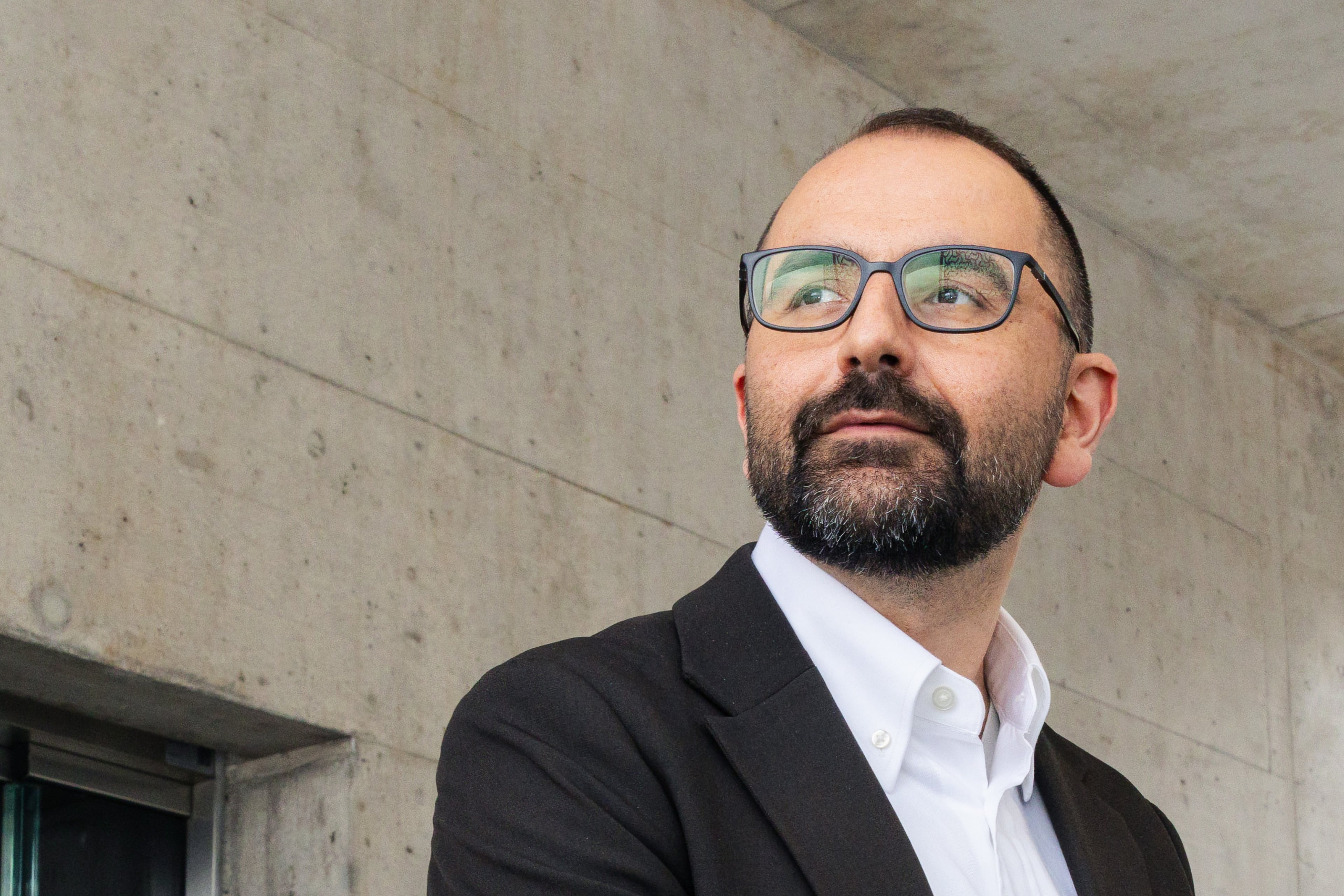
About the author: Stefan Mair is Senior Consultant Thought Leadership at Contcept Communication in Zurich and Berlin. He previously worked for around 16 years in journalism and the media business, including for Ringier and Ringier Axel Springer, and was active in international newsrooms and strategic media projects. Today, he advises companies and executives on positioning, thought leadership, media relations and visibility in an information space shaped by AI.
Bildmaterial